
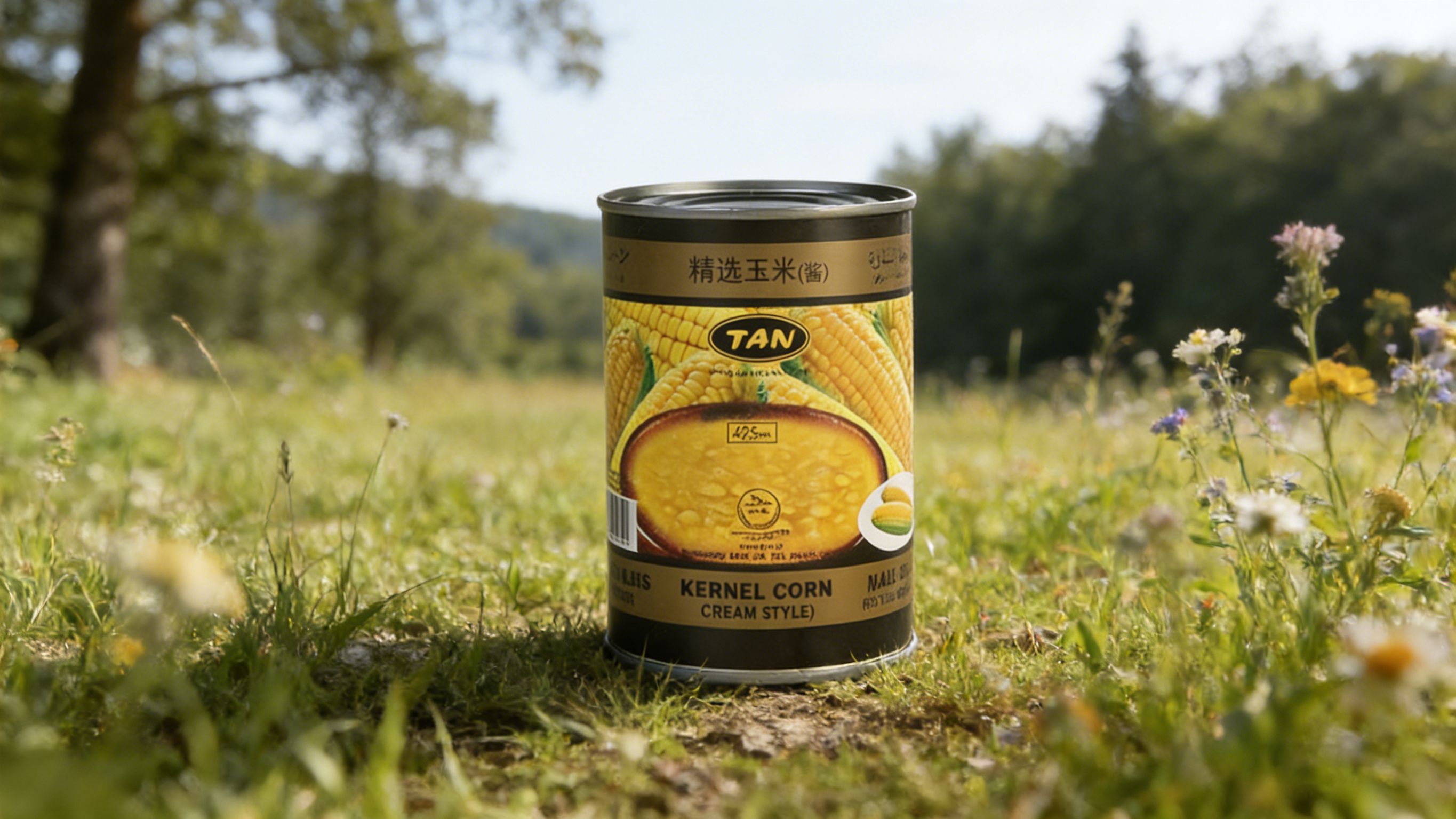
In today's global industrial landscape, sustainability is no longer just a slogan. For the canned food manufacturing industry, enterprises are achieving a profound transition from resource-dependency to technology-driven growth through energy optimization, waste reduction, and the cross-industry application of bio-based materials.
I. Energy Efficiency Optimization: Building a Low-Carbon Processing Model
Energy Management is a critical area for cost control and environmental practice in canned food manufacturing. Given the high energy consumption of thermal sterilization and vacuum sealing, improving thermal efficiency is a top priority. Leading manufacturers are implementing high-efficiency heat exchangers, waste heat recovery systems, and intelligent Factory Energy Management Systems (EMS). Furthermore, integrating solar and wind energy has become standard for industry leaders. This shift significantly reduces the unit carbon footprint, serving as an essential path toward "Dual Carbon" goals and cost reduction.
II. Waste Reduction & Circular Economy: Unlocking Resource Value
From recycling metal scraps to circulating production water, every detail in canned food manufacturing affects the comprehensive resource utilization rate. Companies are introducing "Zero Landfill" programs, converting organic waste into fertilizer or biomass energy. Meanwhile, Green Packaging design shows immense potential—reducing metal usage by optimizing the structural strength of tinplate without compromising safety. These systemic measures mark a transition toward a resource-saving and environmentally friendly circular economy model.
III. Mushroom Production Technology: A Breakthrough in Green Packaging
Mushroom production technology has brought disruptive inspiration to the green packaging sector. This technology utilizes fungal mycelium as a biological binder to transform agricultural waste into high-performance biodegradable materials. This material offers excellent cushioning and thermal insulation and can fully return to the natural cycle after disposal. Applying this technology to secondary packaging (such as shipping buffers) or innovative bio-based labels significantly enhances environmental identity and solves the pain point of plastic pollution.
IV. Transparent Communication & Rebuilding Consumer Trust
Transparency is the bond of trust between manufacturers and consumers. Canned food manufacturers utilize detailed Sustainability Reports, carbon labels, and digital QR code traceability to demonstrate contributions to water and energy conservation. When B2B partners and consumers perceive these environmental practices, brand premium and market loyalty follow.
V. Conclusion
Sustainability is now deeply integrated into every cell of canned food manufacturing. From precise energy control to the application of mushroom production technology, these environmental practices are building momentum for sustainable growth. Manufacturers who lead the green transition will possess stronger risk resilience and market influence in future competitions.
FAQ
Q1: Is sustainability opposed to profitability?
A1: No. Through energy optimization and material reduction, companies directly cut costs. Green-certified products are also more competitive in bulk B2B procurement.
Q2: What are the advantages of mushroom production technology?
A2: It uses mycelium growth to create materials with natural fire resistance, superior cushioning, and 100% biodegradability, making it an ideal alternative to styrofoam.
Q3: Do environmental practices affect food safety?
A3: Not at all. Improvements, such as new bio-based coatings, must pass rigorous food safety standards to ensure that sealing and barrier properties remain uncompromised.
Q4: Why is green packaging vital for B2B processors?
A4: With intensifying global plastic restrictions, green packaging has become the "entry permit" for high-end retail channels and multinational procurement systems.