
In the high-intensity environment of long-haul trucking in the U.S., drivers face strict Electronic Logging Device (ELD) requirements. Achieving efficient energy replenishment within limited rest periods has become a cornerstone of occupational health management. Canned foods, with their unique industrial attributes, are emerging as the "energy anchor" for modern logistics supply chains.
Long-haul driving involves constant vibrations and fluctuating temperatures. Through high-intensity metal sealing technology, canned foods lock in the biological activity and nutritional value of ingredients during their peak ripeness, effectively circumventing the logistical pain points of perishability and oxidation associated with fresh produce. For drivers who must maintain sustained alertness, the combination of complex carbohydrates and high-quality proteins found in canned goods ensures a stable glycemic response, effectively preventing the "sugar crash" that leads to post-meal drowsiness and ensuring road safety.
Furthermore, addressing the health concerns of a sedentary lifestyle, the modern canning industry provides options that align with occupational health standards through "Clean Label" and low-sodium innovations. With their no-prep nature, shelf-stable portability, and highly recyclable packaging, canned products are perfectly suited for various roadside rest stops. As a "functional link" in logistics, canned foods are evolving to provide professional drivers with a robust, standardized, and sustainable nutritional defense line amidst the fast-paced demands of the transport industry.
Key Pillars of Logistic Nutrition
I. Bio-Rhythms and High-Density Energy Mechanisms
-
Glycemic Stability & Fatigue Mitigation: Strict Hours of Service (HOS) regulations require drivers to maintain high cognitive alertness. Canned goods—such as legumes, tuna, or poultry—provide a balanced intake of complex carbohydrates and proteins. This promotes a steady blood glucose curve, preventing the energy dips that compromise safety.
-
Stability Under Physical Stress: Fresh produce is prone to mechanical damage during thousands of miles of transit. Canned goods utilize metal vacuum-sealing technology to withstand the rugged conditions of Class 8 trucks, preserving nutritional integrity at room temperature without the need for refrigeration.

II. Logistics Efficiency & Supply Convenience
-
Optimizing ELD Compliance: With rest breaks measured in minutes, the "Ready-to-Eat" nature of canned goods eliminates the time cost of food preparation and the wait times at fast-food outlets. It transforms the driver’s cabin into a micro-kitchen of efficiency.
-
Scenario Adaptability: Whether at a well-equipped terminal or a remote highway pull-off, canned goods provide a standardized nutritional source that requires minimal tools or preparation, ensuring consistency in a variable environment.

III. Occupational Health & Nutritional Trends
-
Low-Sodium Interventions: The canning industry is increasingly developing low-sodium or no-salt-added products, using natural flavor extracts to satisfy the heart-health needs of drivers prone to hypertension.
-
High-Protein Muscle Support: High-purity animal and plant proteins (e.g., water-packed tuna, chickpeas) provide the necessary amino acids to repair muscles and boost immunity, offering a superior alternative to the grease-heavy meals typical of roadside diners.

IV. Sustainability & Industry Standards
-
Circular Economy: Tin and aluminum cans are among the most recycled materials globally. Their use aligns with the "Green Supply Chain" goals, helping drivers minimize their environmental footprint during transit.
-
Clean Label Transparency: Modern drivers demand transparency. Through non-GMO sourcing and the removal of artificial preservatives, canned foods are shedding old stereotypes and building trust through "Clean Label" initiatives.

About Tancan Food
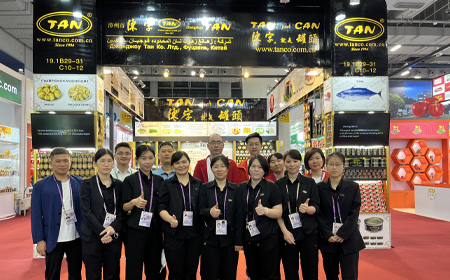
Founded in 1994 and headquartered in Zhangzhou, the "Canned Food Capital of China," Tancan Food specializes in the R&D and global export of fruit, vegetable, seafood, grain, and pet food cans. With a comprehensive supply chain and adherence to rigorous international compliance standards, Tancan has become a preferred partner for global B2B wholesalers and logistics suppliers. We are dedicated to providing reliable energy solutions to the modern workforce—including long-haul drivers—through high-nutrition, high-convenience canned food products.
Website: https://www.tancanfood.cn/home
FAQ
Q1: Why do U.S. truck drivers favor canned foods at rest stops?
A: Due to strict ELD constraints, canned foods offer "Ready-to-Eat" efficiency, saving time while providing a robust, vibration-resistant, and shelf-stable nutritional solution.
Q2: How do these products help maintain alertness during long drives?
A: The balanced protein-carb profile provides a gradual energy release, avoiding the insulin spikes and subsequent drowsiness caused by high-sugar snacks.
Q3: How can drivers manage occupational health risks with canned goods?
A: We recommend selecting "Low Sodium" or "No Salt Added" labels and focusing on water-packed lean proteins to support heart health and muscle maintenance.
Q4: Is the storage and disposal of canned goods convenient for drivers?
A: Yes. They require no refrigeration and come in 100% recyclable metal packaging, making them ideal for the limited space and recycling facilities found at highway rest areas.
Q5: What products does Tancan Food offer for the logistics sector?
A: We provide a wide array of options including tuna, assorted beans, sweet corn, and ready-to-eat grains, all produced to meet international food safety standards.
Q6: Do canned foods contain preservatives? Are they harmful to long-term consumption?
A: This is a common misconception. Canned foods rely on commercial sterilization and vacuum sealing to ensure shelf-life, not preservatives. They represent a cleaner, more controlled nutritional option than most fast-food alternatives.




》-01.jpg)
-01.jpg)