
ZHANGZHOU, CHINA – Over the past decade, the global food industry has undergone a significant paradigm shift, moving from "subsistence" to "wellness," and finally toward "sustainable ethics." The surge in plant-based diets has directly increased the weight of legumes, grains, and specialty vegetables in global trade. Leveraging thirty years of industry expertise, Tancan Food (Zhangzhou Chenzi Trading Co., Ltd.) is leading an industrial upgrade centered on "Green and Convenient" solutions by deepening its presence in the canned beans and high-quality vegetable markets.
Plant Protein Revolution Reshaping Market Valuations
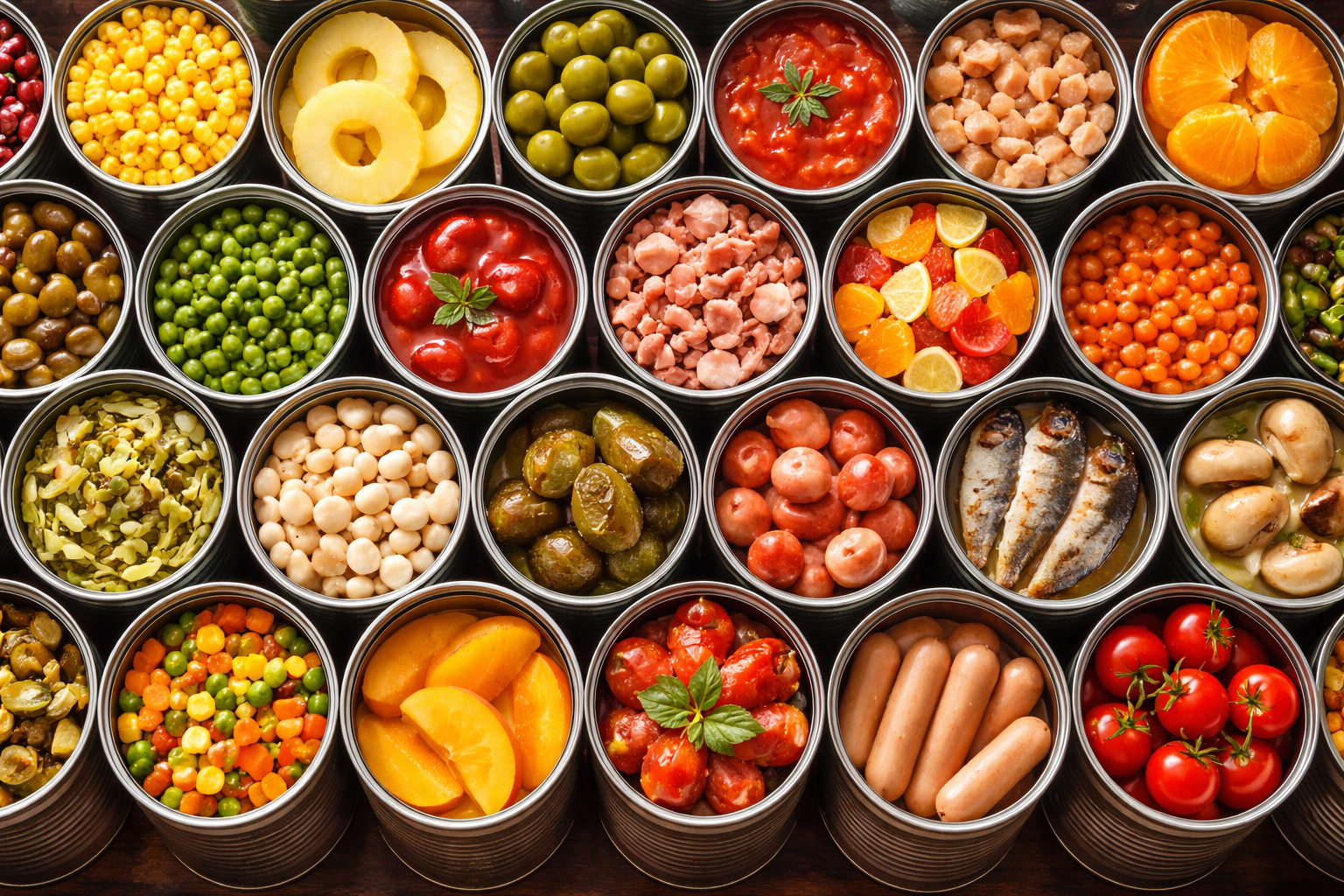
The core of the plant-based wave lies in protein source substitution. Traditionally viewed as a means of preserving meat or fruit, canned goods—specifically canned beans—have become the primary protein source for vegetarians and flexitarians worldwide.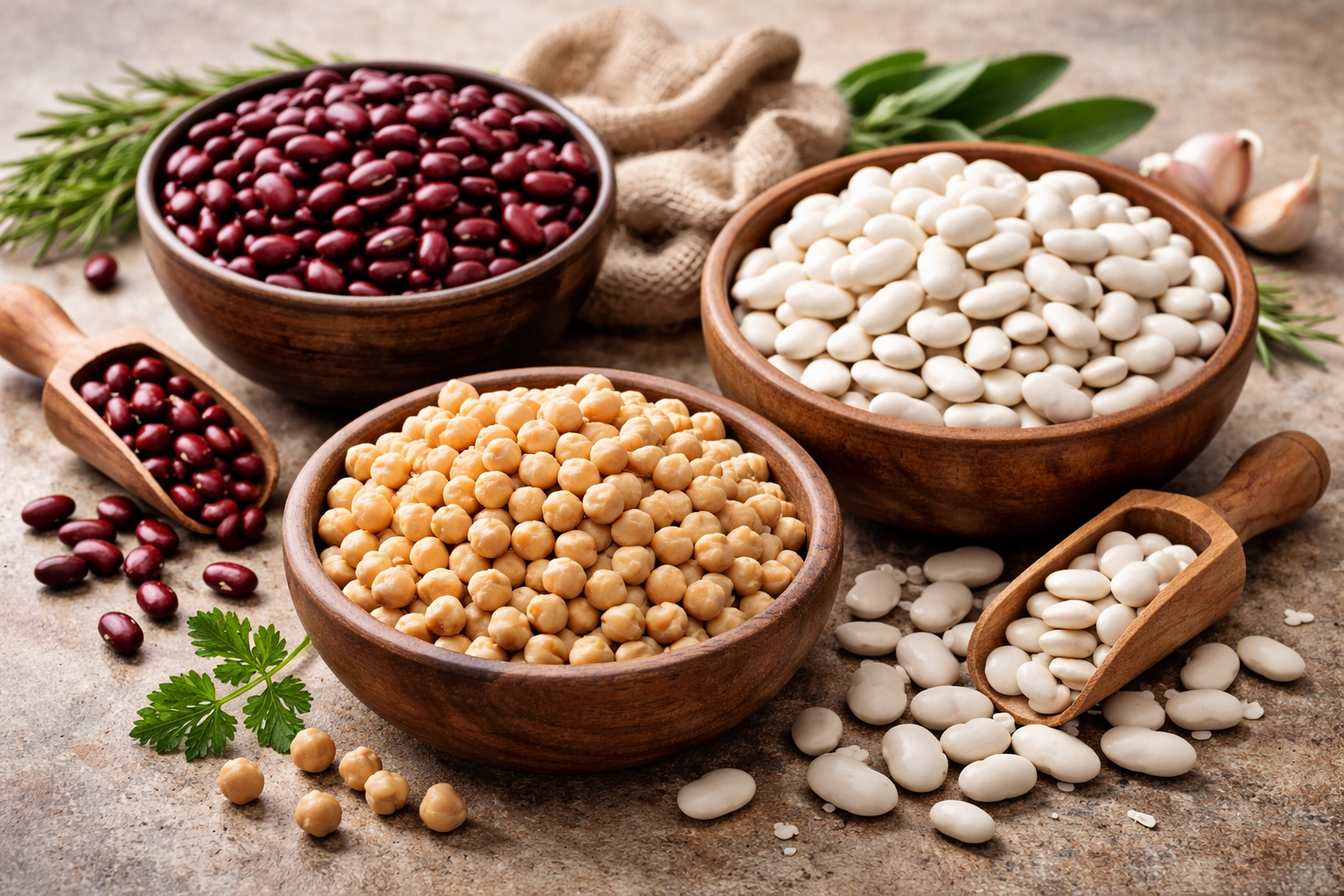
The Global Rise of Legumes as "Superfoods"
As consumers reduce red meat intake, imports of canned chickpeas, red kidney beans, and white kidney beans in North American and European markets have climbed steadily. These products offer high-quality plant protein and exceptional culinary versatility. For international traders, canned beans are moving from side dishes to the center of the plate. By integrating upstream planting bases, Tancan Food ensures non-GMO standards and high fiber content, giving its products a natural competitive edge in high-end retail channels.
Process Innovation Under the Clean Label Trend
Modern procurement officers are increasingly focused on the Clean Label movement. Plant-based consumers are often highly sensitive to additives. Tancan Food utilizes advanced high-temperature physical sterilization to maintain the natural color and texture of beans and vegetables without preservatives. This commitment to craftsmanship meets the global demand for "pure food" and has earned long-term trust in the stringent EU market.
The Advantage of "Price Resilience" in Economic Volatility
Under inflationary pressure, canned beans provide a highly cost-effective protein solution compared to expensive fresh meat or frozen plant-based meat alternatives. This price resilience allows canned products to perform robustly across economic cycles. As a leading manufacturer, Tancan Food reduces per-can costs through large-scale production, helping global distributors maintain profit margins while providing affordable healthy choices for consumers.
Supply Chain Transparency: The Core Passport for International Trade
In the plant-based trade, consumers care not just about "what they eat," but "where it comes from." Supply chain transparency has evolved from a corporate bonus to a mandatory threshold for international trade.
-
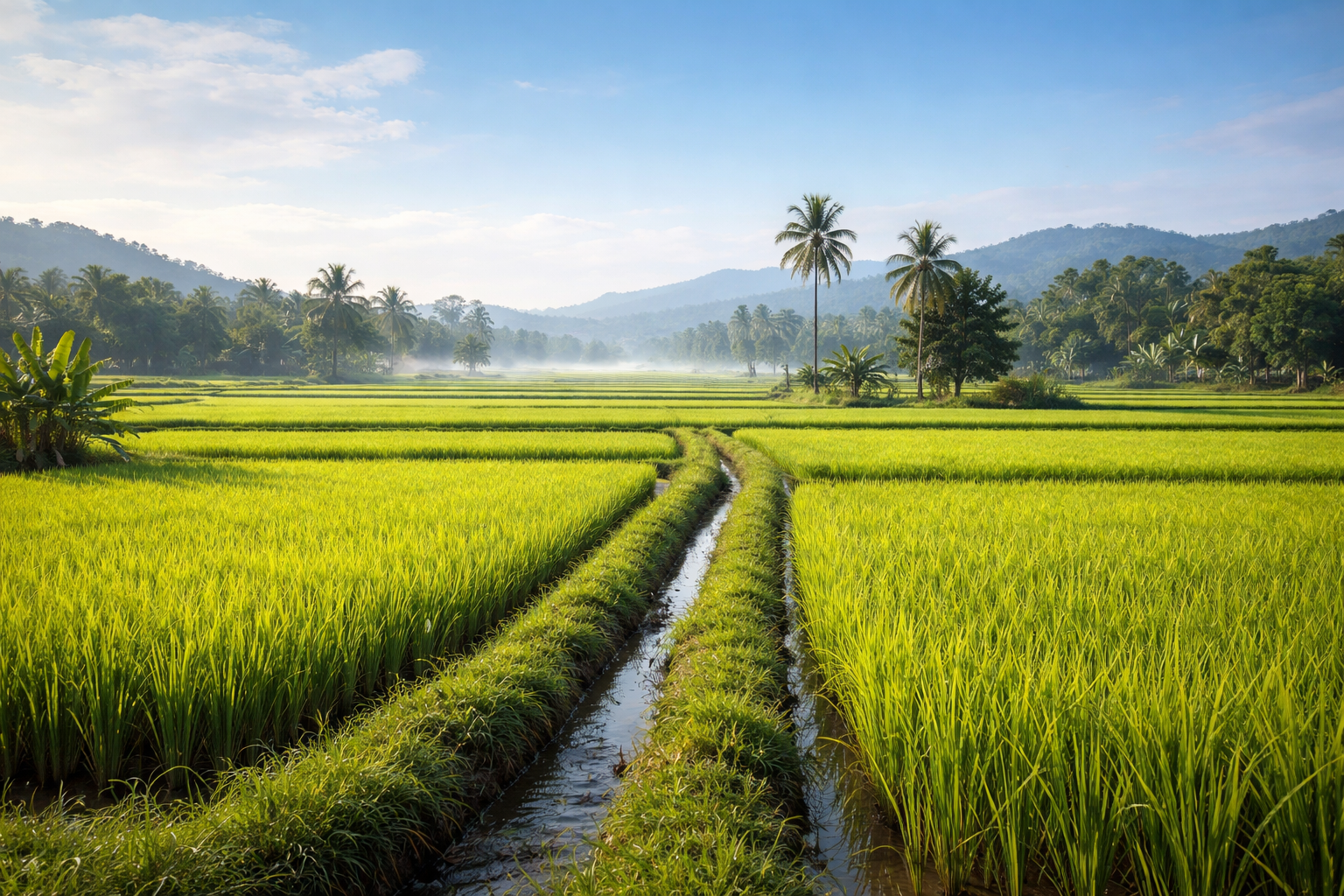
"From Field to Table" Control: Tancan Food’s "Company + Base + Farmer" model is a best practice for traceability. By participating directly in seed selection and planting guidance, the company ensures every can of mushrooms or corn is traceable to its specific origin. This model has boosted the income of 55,000 farmers and mitigated safety risks like pesticide residues.
-
International Compliance: Exporting to 146 countries requires meeting the world’s strictest audits. Tancan Food holds BRC, IFS, and HACCP certifications, serving as its "ID card" as a leader in Chinese exports. These qualifications provide powerful backing for partners during customs clearance and supermarket entry.
Sustainability and ESG Trade Premiums
Plant-based diets are inherently "eco-friendly," leading buyers to demand higher ESG (Environmental, Social, and Governance) performance. Tancan Food is committed to optimizing energy-efficient production and promoting 100% recyclable metal packaging. This commitment attracts large multinational retailers focused on social responsibility, securing a trade premium in long-term strategic partnerships.
R&D Driven by Category Fusion and Shelf-Stable Convenience
The next breakout point for the plant-based trend is convenience. Buyers are no longer satisfied with raw materials; they seek ready-to-eat solutions.
-
Ready-to-Eat (RTE) Breakthroughs: Tancan Food’s "Duxiake" and "Youfan Xiansheng" series feature lock-fresh technology that blends grains, vegetables, and plant fibers. These shelf-stable, ready-to-eat products require no cold chain, expanding the application of plant-based products from kitchens to offices, outdoor sports, and emergency reserves.
-
Cultural Flavor Localization: Tancan’s R&D team adjusts seasonings for different regions, such as hummus bases for the Middle East or Mediterranean-style mixed vegetables for Europe. This OEM/ODM capability allows partners to respond quickly to local consumer palates.
-
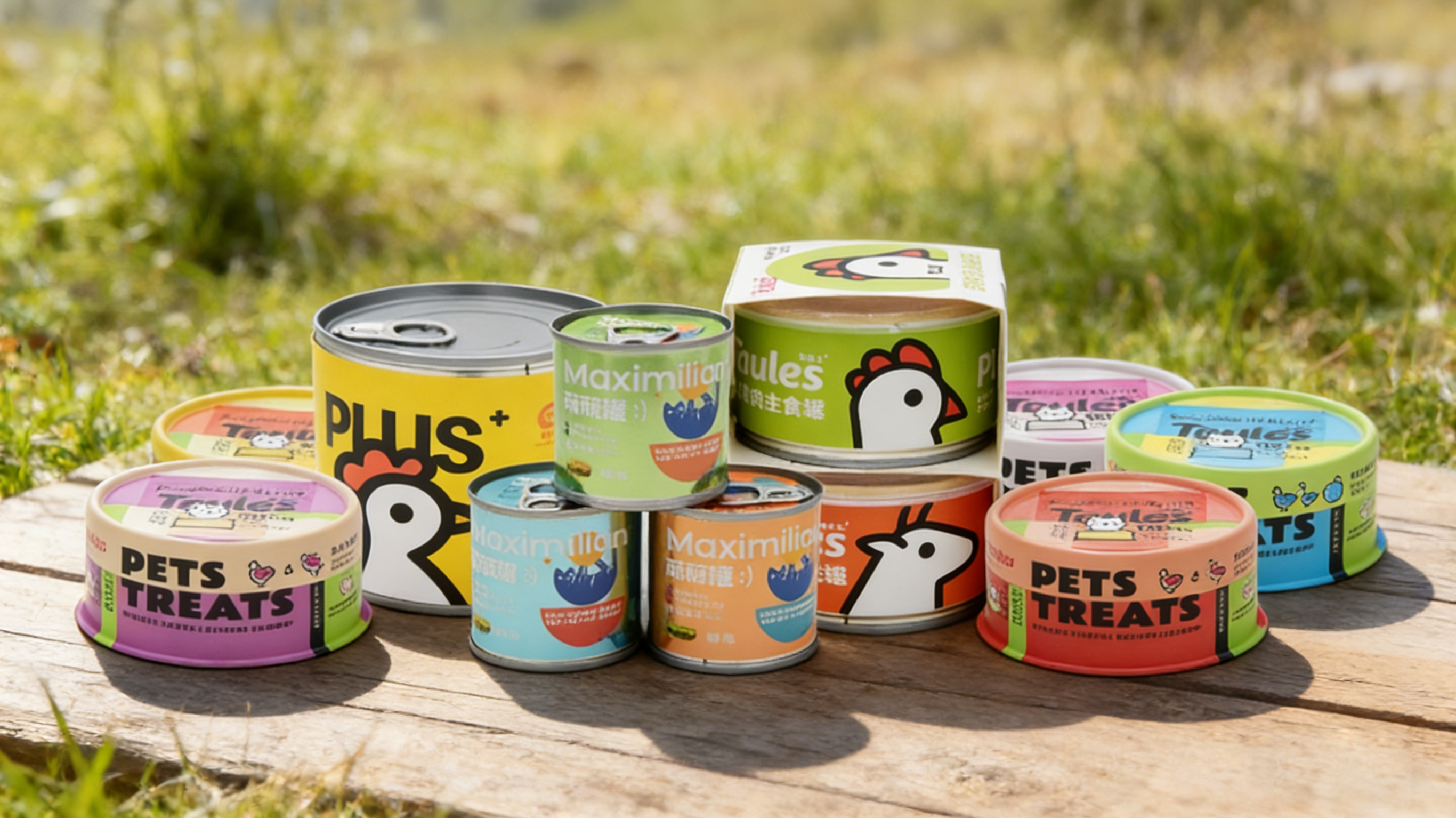
"Humanization" of Pet Food: Plant-based concepts are penetrating the pet food sector. As a professional exporter, Tancan Food has noted a surge in demand for pet wet food containing natural fruit and vegetable fibers, applying human-grade standards to enhance market competitiveness.
Digitalization and Strategic Synergy of Global Distribution
-
Belt and Road Coverage: Tancan Food’s presence across all Belt and Road countries is the result of long-term cultivation of emerging markets where the rising middle class is driving a demand explosion for high-quality canned foods.
-
Flexible Logistics: To solve pain points for small and medium distributors, Tancan offers consolidated shipments across its diverse portfolio (lychees, mushrooms, corn, seafood), reducing inventory pressure and increasing capital turnover for overseas clients.
-
Digital Empowerment: Tancan provides partners with market insights, packaging design advice, and digital marketing assets, ensuring sustainable growth throughout the entire supply chain.
About Tancan Food (Zhangzhou Chenzi Trading Co., Ltd.)
Founded in 1994 and headquartered in Zhangzhou, the "Canned Food Capital of China," Tancan Food is a leading exporter of canned fruits, vegetables, seafood, grains, and pet food. Since 2003, it has grown into a titan of the industry, ranking second in China for consumer canned food exports. Notably, its canned lychee exports have ranked first globally for 14 consecutive years. The company supports over 80 production enterprises and approximately 55,000 farmers through its integrated agricultural model.
Website: https://www.tancanfood.cn/home
Frequently Asked Questions
Q1: How do canned foods influence global culinary exchange?
Canned foods standardize and preserve unique regional flavors for efficient export. For example, Tancan Food delivers Southeast Asian lychees and high-quality Chinese mushrooms worldwide, breaking geographical limits and offering consumers access to diverse exotic flavors.
Q2: Why is the plant-based trend driving canned bean exports?
The core of the diet is plant protein substitution. Canned beans (chickpeas, kidney beans) are the most convenient ingredient choice for vegans due to their high protein, shelf-stability, and lack of required pre-processing.
Q3: What is North America’s role in canned food production?
North America is a major production and consumption hub. While highly automated, it still relies on premium Asian suppliers like Tancan Food for flavor diversity and specific crops like high-quality lychees and mushrooms.
Q4: Why is canned food vital for food security?
Canned products offer an extended shelf life without the need for a cold chain. This ensures a long-term supply of nutritious ingredients during supply chain disruptions or emergency relief efforts.
Q5: How does Tancan Food ensure the safety of canned vegetables?
Through BRC and HACCP systems, the company monitors every stage—from base cultivation and pesticide testing to factory thermal processing—ensuring compliance with the highest international food safety standards.
Q6: How does the modern canning industry reflect sustainable development?
Companies like Tancan Food actively practice green trade by using 100% recyclable metal cans, optimizing production energy efficiency, and reducing carbon footprints in logistics.
Q7: What advantages does Ready-to-Eat (RTE) food have over traditional cans?
RTE products like "Duxiake" maintain the long shelf life of cans but upgrade the texture and convenience, fitting the fast-paced lifestyle of modern plant-based consumers.
Q8: Where are the world's major canned food manufacturers located?
Clusters are mainly in North America (large-scale produce), Europe (premium seafood), and Asia. Chinese companies like Tancan Food hold a dominant advantage in full-category supply chains, cost control, and global market share for specific items like lychees and mushrooms.



》-01.jpg)
-01.jpg)